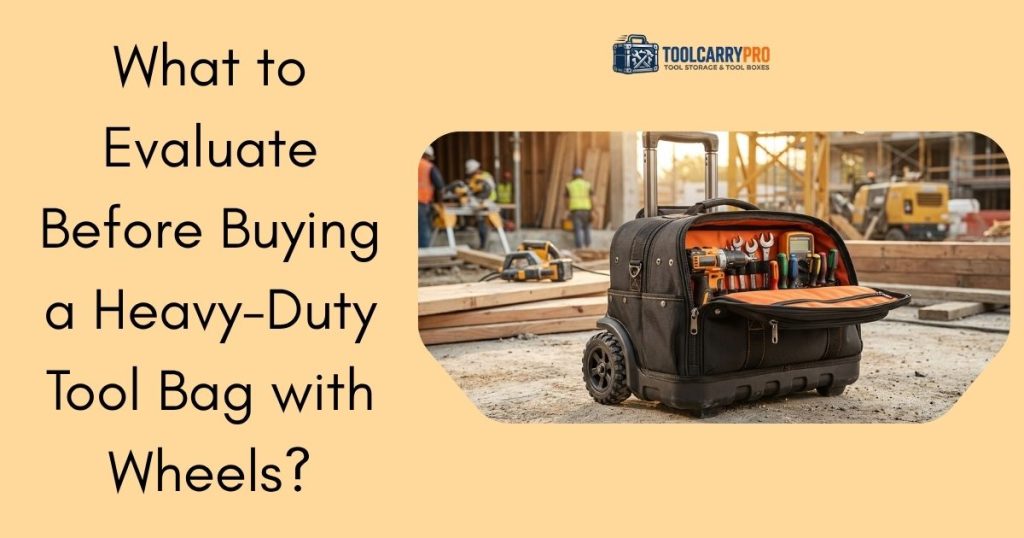
Heavy-duty tool bags with wheels are a game-changer for professionals and serious DIYers who haul 30-60+ pounds of tools daily. Unlike traditional shoulder bags that strain your back or basic totes that become cumbersome when overloaded, wheeled versions combine rugged construction with smooth-rolling mobility. They excel on job sites, workshops, and even urban job locations where you navigate stairs, gravel, or concrete floors. But not all wheeled bags deliver—cheap models fail quickly under real-world abuse, while premium ones can last 5-10 years. This guide breaks down every critical factor to evaluate before purchasing, from wheel quality to material strength, ensuring you invest wisely and avoid buyer's remorse. We'll cover real-world performance insights, trade-specific tips, and practical checklists so you can select a bag that matches your workflow perfectly.
Understanding Heavy-Duty Tool Bags with Wheels
These bags feature reinforced frames, heavy-duty fabrics or leather hybrids, and integrated wheel systems for effortless transport. Designed for trades like electricians, plumbers, carpenters, and mechanics, they typically hold full tool kits while allowing you to pull instead of carry.
Core Design Elements
Wheel and Handle Systems
Most include telescoping handles and two or four wheels (inline or swivel). Inline wheels suit straight paths; swivel designs excel in tight spaces.
Material Construction
Expect 600-1680 denier ballistic nylon, reinforced vinyl, or water-resistant canvas with double-stitched seams and metal rivets for longevity.
Critical Factors to Evaluate
Before clicking "buy," assess these nine key areas to match the bag to your needs.
1. Material Durability and Build Quality
Heavy-duty bags must withstand drops, abrasion, and daily wear. Look for 1000+ denier fabric with reinforced bottoms and padded bases. Check for rust-resistant zippers and metal hardware. Lower-quality bags (under 600 denier) rip at seams within months on rough sites. Test by feeling the fabric thickness—thicker feels stiffer but lasts longer.
Real-World Testing Tips
Read lab-tested reviews for abrasion cycles (aim for 10,000+). Plumbers report ballistic nylon outperforming polyester in wet basements.
2. Wheel Type, Size, and Performance
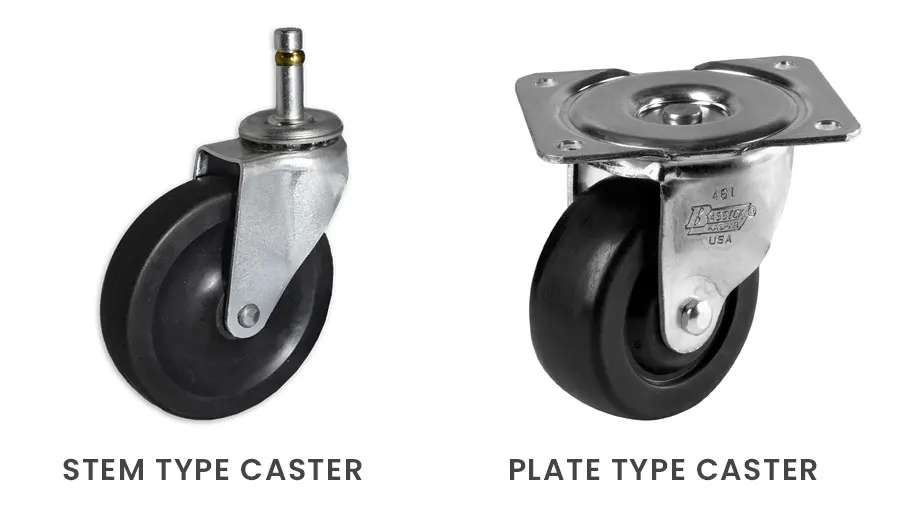
Wheels are the make-or-break feature. Rubber or polyurethane wheels handle gravel and stairs better than hard plastic. Larger 5-7 inch wheels roll smoother over uneven surfaces; smaller ones suit indoor use only. Swivel casters offer maneuverability but can wobble under heavy loads. Check bearing quality—ball bearings last longer than sleeve types.
Weight Capacity and Stability
Ensure the bag supports 50-100 lbs without tipping. Four-wheel models provide better balance for heavy power tools.
3. Capacity, Weight Limits, and Load Distribution
Measure your tool collection—most wheeled bags offer 20-40 liters. Overloading causes wheel failure or frame bending. Look for even weight distribution with wide bases. Electricians need space for conduit benders; carpenters require long pockets for levels.
Organization Features
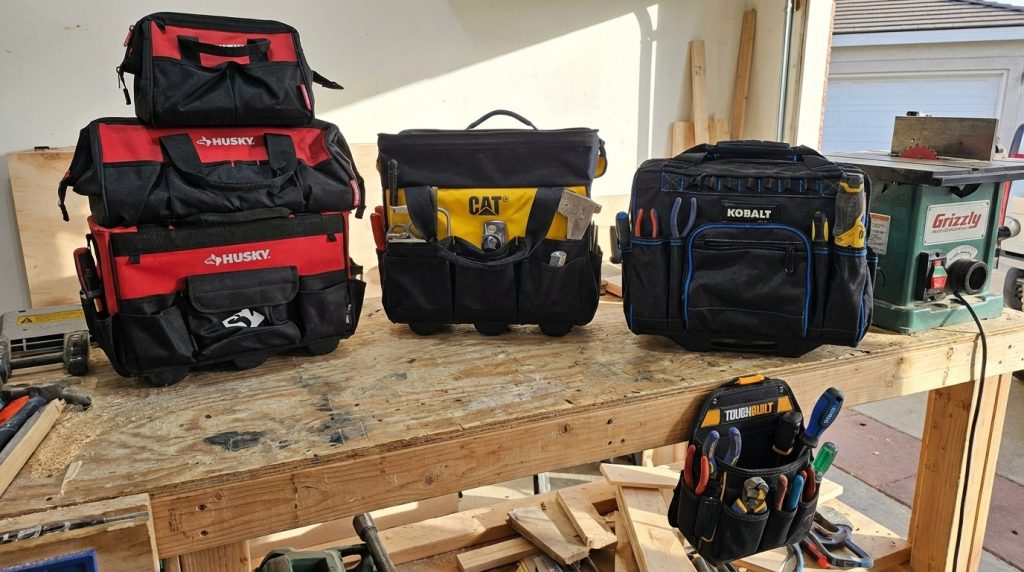
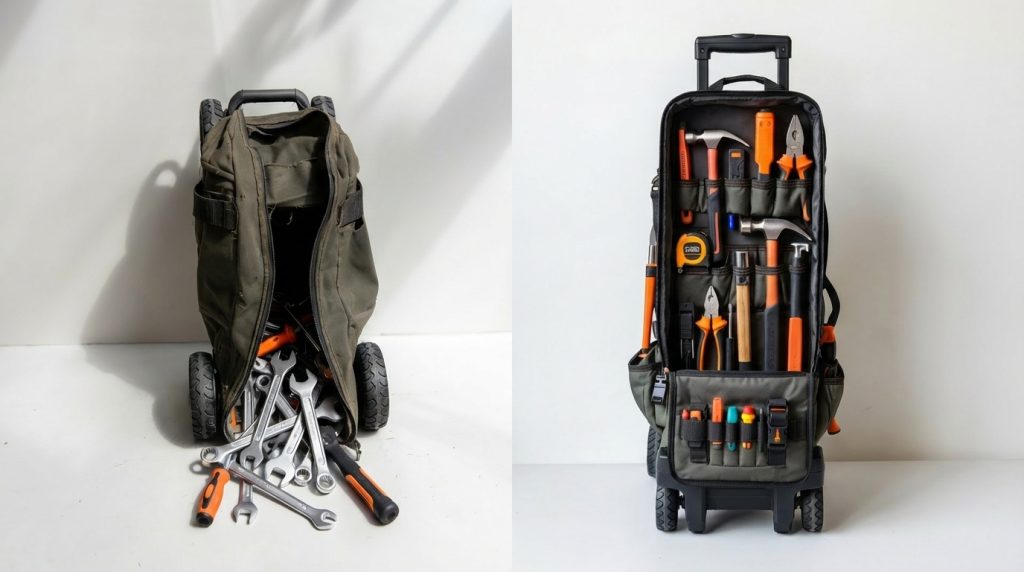
Interior dividers, external pockets (10-20+), and tool loops keep everything accessible. Removable inserts add versatility.
4. Handle System and Portability
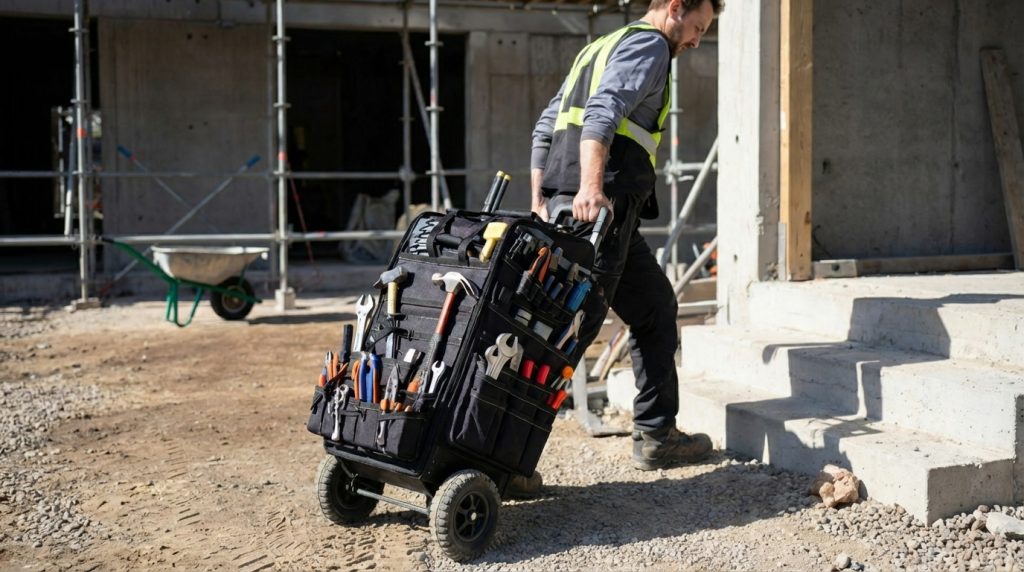
Telescoping handles should lock securely at multiple heights and support full weight without bending. Padded shoulder straps allow hybrid carry. Test pull resistance—smooth glide on concrete is essential.
5. Weather and Environmental Resistance
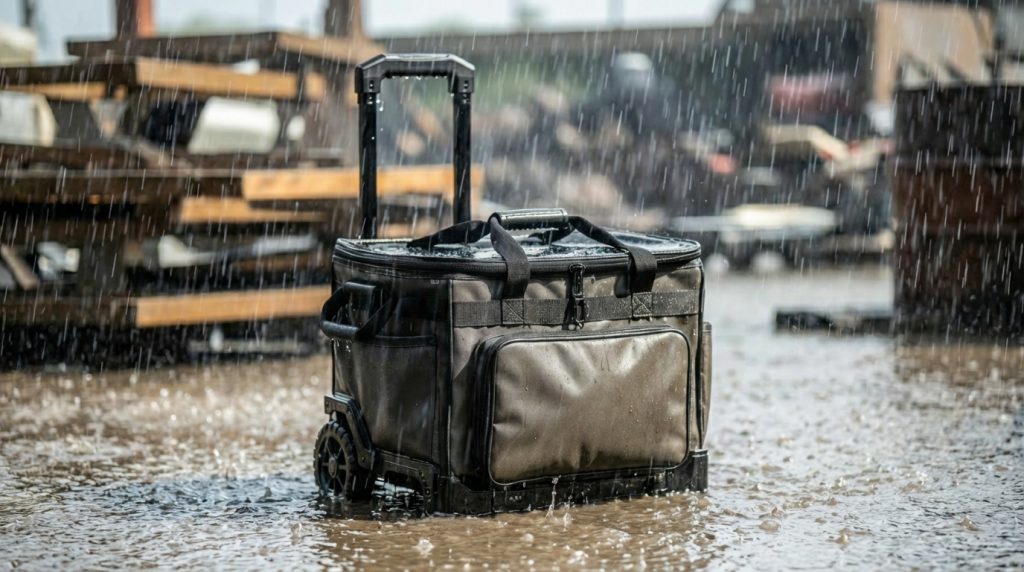
Job sites expose bags to rain, dust, and mud. Seek IPX4-rated water resistance or fully sealed bottoms. UV-treated fabrics prevent fading. Interior linings should protect tools from moisture.
Climate-Specific Advice
Coastal users prioritize mildew-resistant coatings; desert tradespeople focus on dust-sealed zippers.
6. Size, Dimensions, and Maneuverability
Choose based on transport: compact 16-20 inch bags fit truck beds easily; larger 24+ inch models hold full kits but may not squeeze through doorways. Check airline compliance if traveling for work.
Price, Warranty, and Long-Term Value
Expect $80-$250 range. Budget under $100 often skimps on wheels. Look for 1-5 year warranties covering defects. Calculate total cost of ownership—durable bags save money over replacements.
Value Comparison
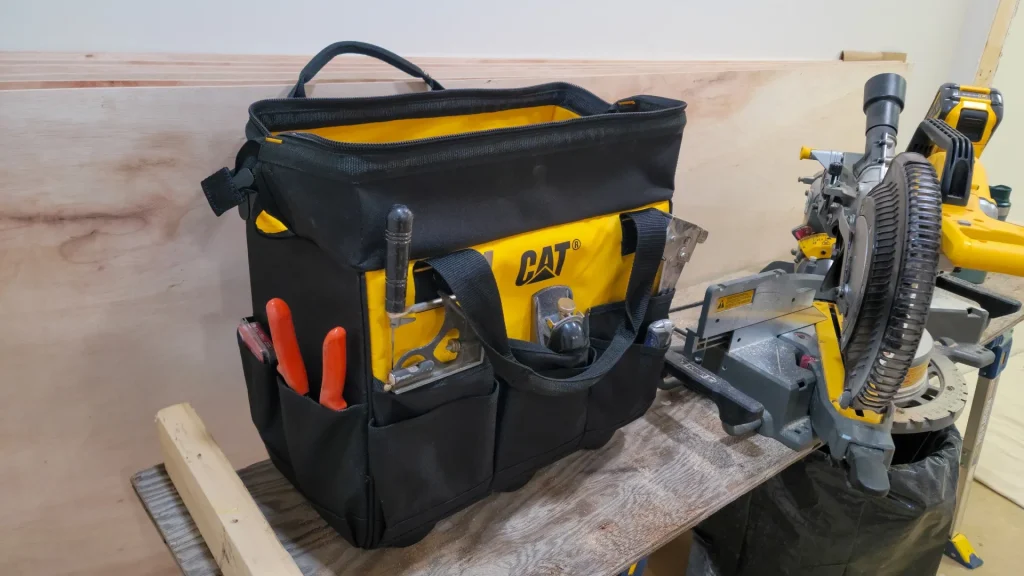
Premium brands like DEWALT or Husky often justify higher prices with superior wheels and materials.
Brand Reputation and User Feedback
Stick to established names with strong trade community backing. Scan recent reviews for wheel failure or zipper issues. Forums like Reddit's r/Tools reveal long-term durability data.

Additional Features and Customization
Bonus points for lockable zippers, reflective strips, or modular attachments. Some include laptop sleeves for tech-heavy trades.
Common Pitfalls to Avoid
Skip bags with fixed small wheels or thin handles—they fail fast under load. Ignore unbranded imports with vague specs. Overlooking weight when empty (many add 8-12 lbs) leads to fatigue. Always verify wheel replacement availability.
How to Test Before Buying?
In-store: Load with weights, pull across store floors, and tilt to check stability. Online: Watch unboxing videos and read verified purchase reviews. Measure your vehicle and job site constraints first.
Conclusion
Evaluating a heavy-duty tool bag with wheels requires balancing durability, mobility, and features against your specific trade demands. Prioritize robust wheels, quality materials, and thoughtful organization to transform tool transport from a chore into an efficient advantage. By checking build quality, wheel performance, capacity, weather resistance, and value upfront, you'll invest in a reliable partner that saves time, reduces strain, and withstands years of abuse. Take measurements, read hands-on tests, and consider a trial run if possible. The right wheeled bag doesn't just carry tools—it elevates your entire workflow, letting you focus on the job instead of the haul. Shop smart, and your next big project will roll along smoothly.