In the fast-paced world of trades like plumbing and painting, every second counts. Professionals who spend their days crawling through tight spaces, climbing ladders, or kneeling on cold floors know that the right tool storage can make or break a job. Enter the humble bucket tool bag — a simple fabric organizer that slips over any standard 5-gallon bucket. It’s not flashy or expensive, yet plumbers and painters across the globe swear by it for its unbeatable combination of organization, portability, and durability. This article dives deep into why this unassuming accessory has become a must-have on job sites everywhere.
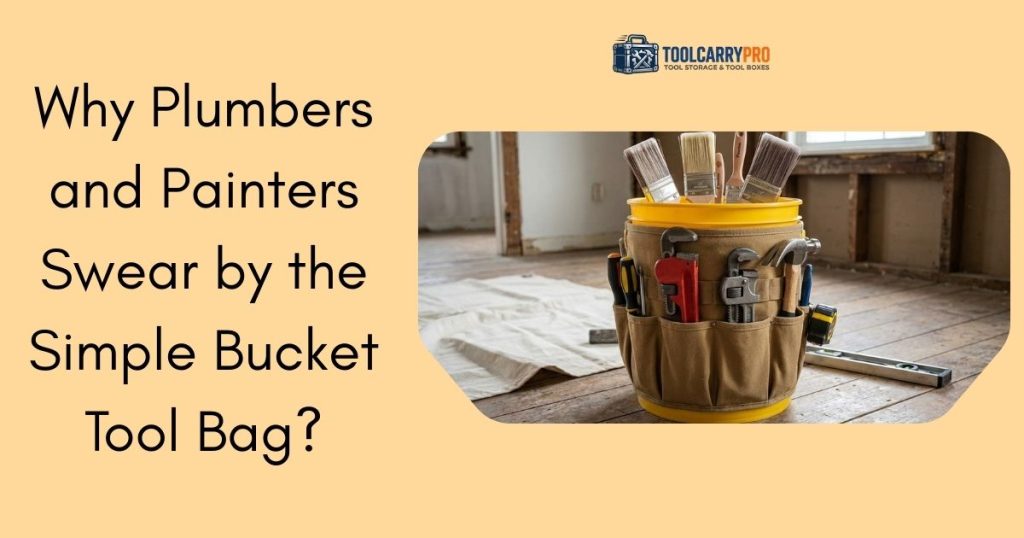
From its origins as a DIY hack using old buckets to today’s purpose-built models with reinforced stitching and dozens of pockets, the bucket tool bag solves real-world problems that traditional toolboxes and belts simply can’t match. Whether you’re dealing with dripping pipes or delicate paintbrushes, this setup keeps everything accessible, protected, and ready to go. Over the next sections, we’ll explore its features, the specific advantages for plumbers and painters, and practical tips to get the most out of one. By the end, you’ll understand why so many seasoned pros refuse to work without their trusty bucket bag.
What Is a Bucket Tool Bag?
A Simple Yet Brilliant Design
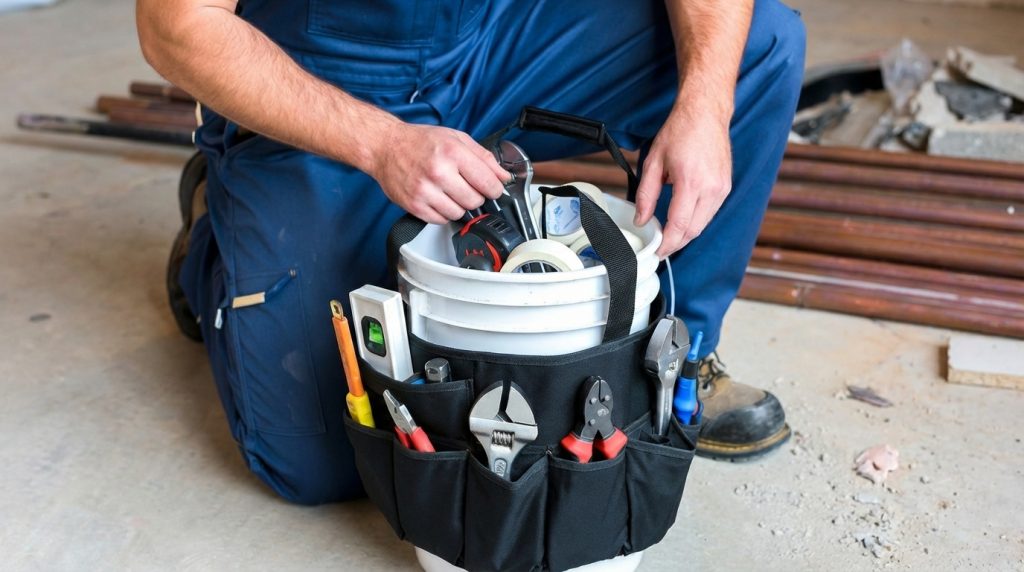
At its core, a bucket tool bag is a heavy-duty fabric sleeve or pouch system designed to wrap around a common 5-gallon plastic bucket — the kind you can buy for under five dollars at any hardware store. Made from tough materials like ballistic nylon, polyester canvas, or ripstop fabric, these organizers feature multiple pockets, loops, and compartments on the outside and inside. Some models include a padded lid that doubles as a seat, while others have drain holes to handle wet environments.
Why the Bucket Foundation Matters
The 5-gallon bucket provides a stable, wide base that prevents tipping even when loaded with heavy tools. Unlike flimsy totes or bulky chests, the bucket-bag combo stays upright on uneven surfaces, ladders, or truck beds. It’s lightweight when empty (under two pounds for the bag alone) but can carry 20–30 pounds of gear without strain. This design has evolved from early 1990s contractor hacks into commercial products from brands like Bucket Boss, CLC, and Husky, yet the core principle remains delightfully simple.
Benefits for Plumbers: Turning Chaos into Efficiency
Plumbers work in some of the messiest, wettest conditions imaginable. Pipes leak, floors get soaked, and tools must stay organized or they disappear into crawl spaces. Here’s why the bucket tool bag is their secret weapon.
Moisture Protection and Floor-Friendly Storage
Traditional toolboxes sit flat on the ground and collect water or debris. A bucket tool bag elevates tools slightly off the floor while the bucket itself acts as a barrier. Many models use waterproof coatings or mesh bases that drain quickly, keeping wrenches and cutters dry. Imagine finishing a basement repair without rust forming overnight — that’s the peace of mind plumbers rave about.
Quick Access to Specialized Tools
Plumbers carry a wide variety of items: basin wrenches, pipe reamers, soldering torches, flux, and fittings. The bucket bag’s 20–50 pockets mean everything has its place. No more digging through a jumbled toolbox or fumbling on a tool belt that digs into your hips. Reach for a specific size crescent wrench in seconds, even while balanced on a ladder or squeezed under a sink.
Real-World Plumbing Scenarios
On a typical residential job, a plumber might start by cutting copper lines, then thread PEX tubing, and finish with leak testing. The bucket bag travels easily from truck to bathroom to basement without multiple trips. Its compact footprint fits through narrow doorways where rolling carts fail. Pros report saving 10–15 minutes per job just by reducing search time — minutes that add up to hours weekly and boost profitability.
How Painters Benefit: Precision Tools Stay Pristine?
Painters deal with delicate brushes, rollers, and finishes that demand careful handling. A single bent bristle or dried-out roller can ruin an entire wall. The bucket tool bag addresses these pain points perfectly.
Vertical Storage for Brushes and Rollers
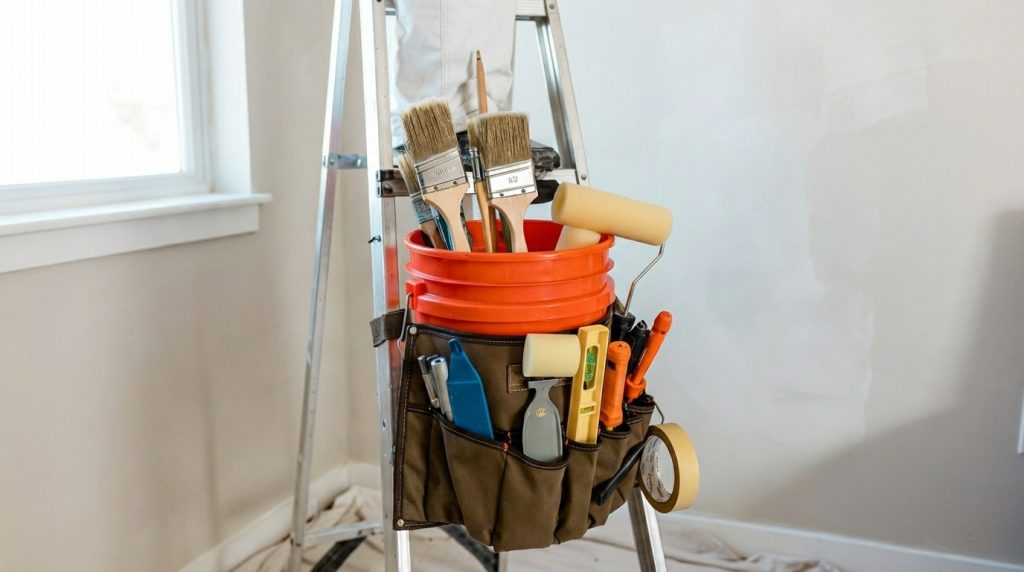
Unlike flat trays that bend bristles or cause paint to pool, the bag’s tall outer pockets hold brushes and rollers upright. This prevents deformation and keeps them ready for the next coat. Painters love slipping extension poles or edgers into dedicated slots without them toppling over.
Ladder and Scaffold Compatibility
When you’re 15 feet up on a ladder, every extra movement risks a fall or spilled paint. The bucket tool bag sits securely beside you on the floor or hooks onto scaffolding rails. Painters can grab a fresh brush or scraper without descending, maintaining workflow and safety.
Paint-Specific Organization Details
Compartments separate clean tools from dirty ones. There’s space for painter’s tape rolls, putty knives, sandpaper blocks, and even small drop cloths. Some bags include a zippered inner pouch for hazardous waste rags, keeping the job site tidy and compliant with environmental rules. Professionals note that their brushes last 30–50% longer because they’re not crammed into overcrowded bags.
Key Features That Make Bucket Tool Bags Indispensable
Durability Built for Daily Abuse
High-end bucket bags use double-stitched seams, reinforced stress points, and abrasion-resistant fabric rated for thousands of uses. Metal grommets and heavy-duty zippers withstand years of loading and unloading. Unlike cheap nylon totes that tear after a few months, these survive drops, kicks, and exposure to solvents, paint thinners, and plumbing adhesives.
Portability and Versatility Across Trades
Carry the entire setup with one hand by the bucket handle. Stack two buckets in a truck bed without spilling. The same bag works for plumbing one day and painting the next — or even for electricians and carpenters. Add a shoulder strap accessory and it becomes a true mobile workstation.
Customization Options
Many models let you add dividers, tool loops, or magnetic strips. You can personalize pockets with labels for specific fittings or brush sizes. This level of customization turns a generic bucket into a tailored system that grows with your business.
Advantages Over Traditional Toolboxes and Belts
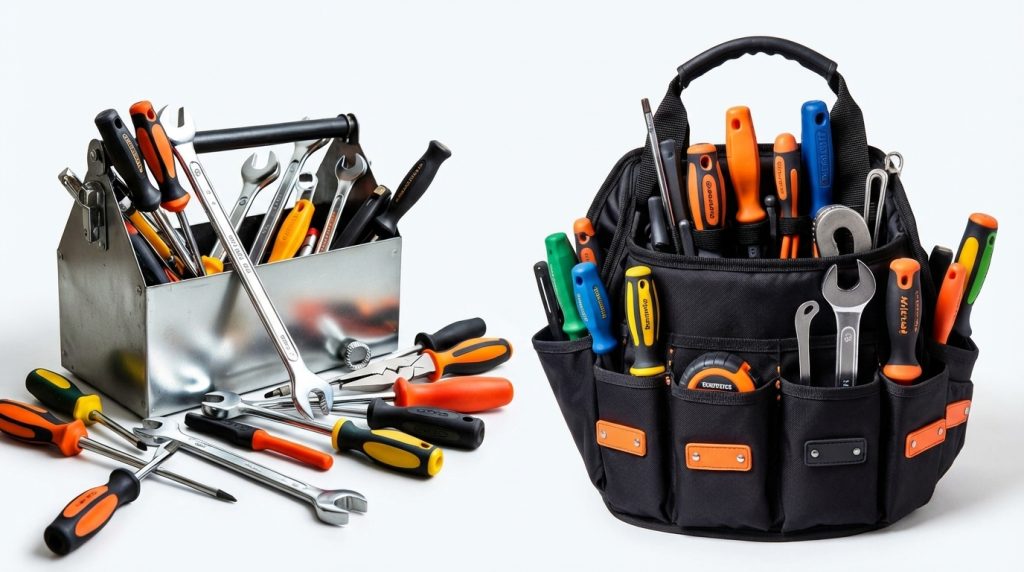
Compare the bucket tool bag to a rolling toolbox: the latter is heavy, expensive (often $200+), and awkward in tight spaces. Tool belts distribute weight poorly and limit what you can carry. The bucket solution costs under $50 total (bag plus bucket), holds more volume, and stays stable. It also doubles as a trash bin or mixing container when needed — versatility that pros appreciate daily.
Painters avoid the “tool avalanche” that happens when belts tip. Plumbers skip the back strain from lugging steel chests up stairs. The simple design reduces decision fatigue: grab the bucket and go.
Real Stories: What Pros Actually Say
Mike, a 15-year veteran plumber in Chicago, says, “I used to lose 20 minutes a day hunting for my basin wrench. Now it’s always in the same pocket. My bucket bag paid for itself in the first week.” Sarah, a commercial painter in Texas, adds, “My brushes stay perfect for months longer. I can move between floors without resetting my entire kit. It’s a game-changer on multi-story jobs.”
These testimonials echo across forums and job sites. The bucket tool bag’s simplicity wins loyalty because it solves problems without introducing new ones like complicated latches or dead batteries in electronic organizers.
Tips for Choosing and Maintaining Your Bucket Tool Bag
Selecting the Right Model
Look for at least 30 pockets, padded handles, and water-resistant fabric. Check weight ratings — some support 50 pounds. Test fit on your buckets; not all bags match every brand perfectly. Read reviews for seam quality.
Maintenance for Longevity

Empty and hose off the bag monthly. Air-dry completely to prevent mold. Store tools oiled and clean to avoid fabric stains. Replace the bucket every couple of years when it cracks from UV exposure.
Pro Maintenance Hack
Apply a fabric protectant spray twice a year. It repels paint splatter and plumbing grease, keeping the bag looking new.
Conclusion: The Bucket Bag Revolution
The bucket tool bag proves that sometimes the simplest solutions are the most powerful. Plumbers gain moisture-proof organization and speed; painters protect their precision tools and work safely at heights. Combined with unmatched portability, low cost, and endless versatility, it’s no wonder these professionals swear by it. Whether you’re a weekend warrior or a full-time contractor, adding a bucket tool bag to your kit is one of the smartest upgrades you’ll ever make.